Where We Work
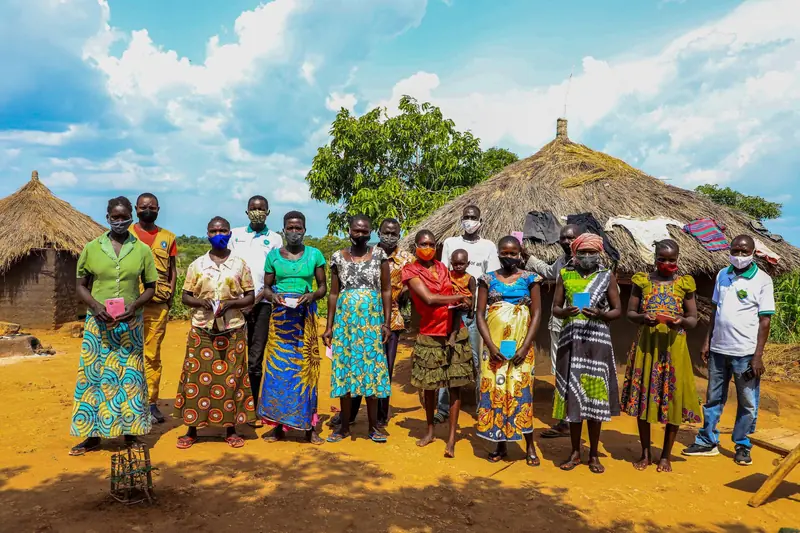
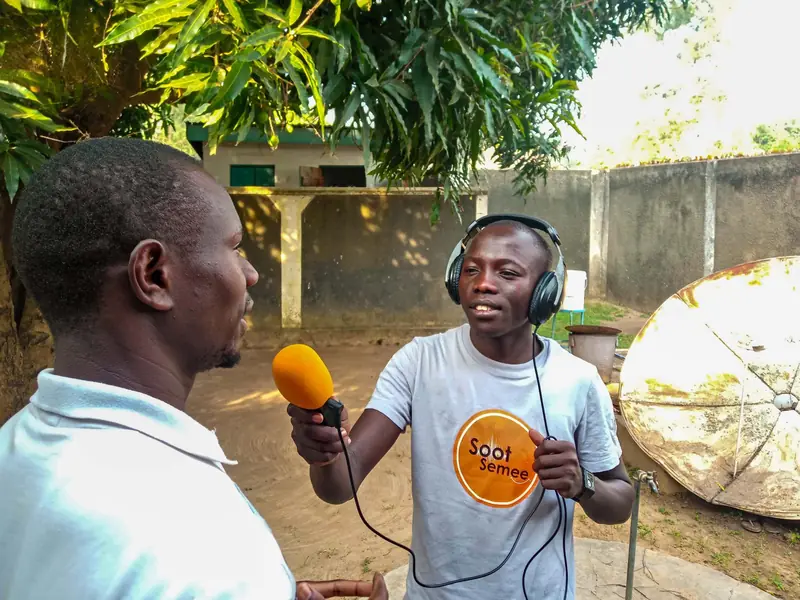
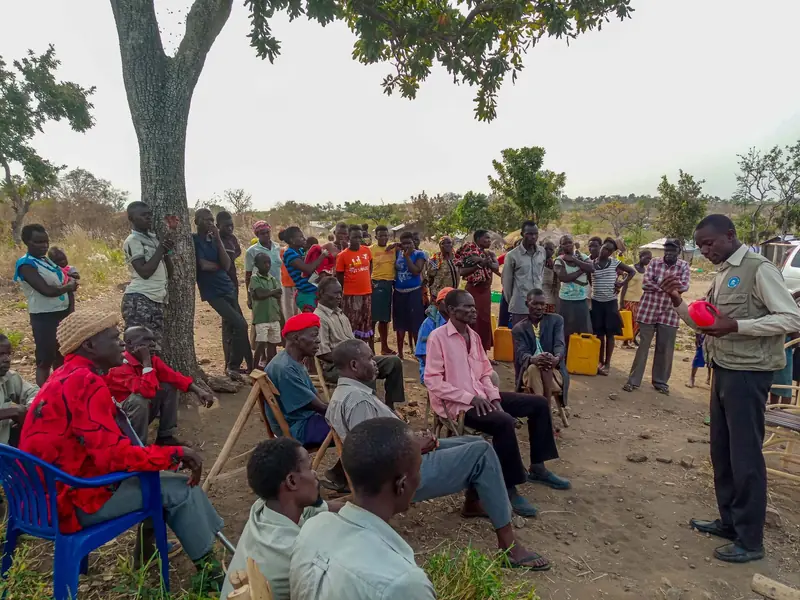
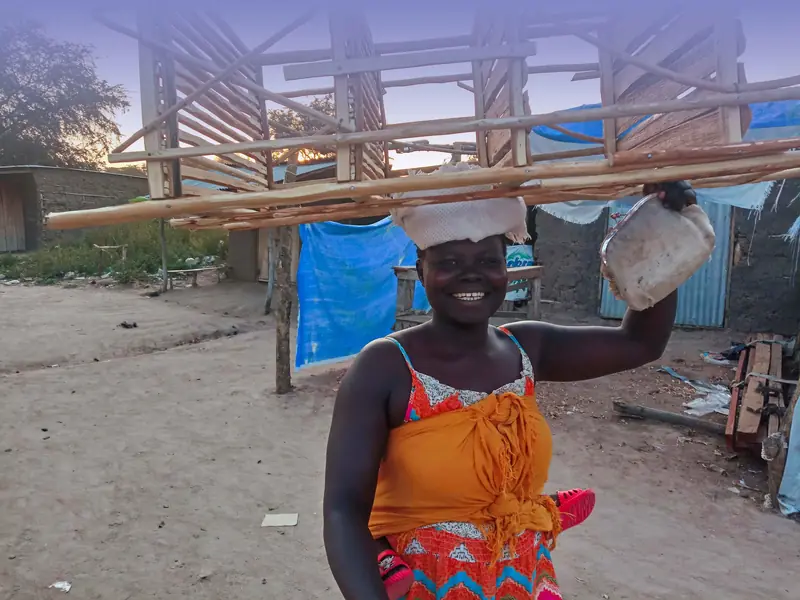
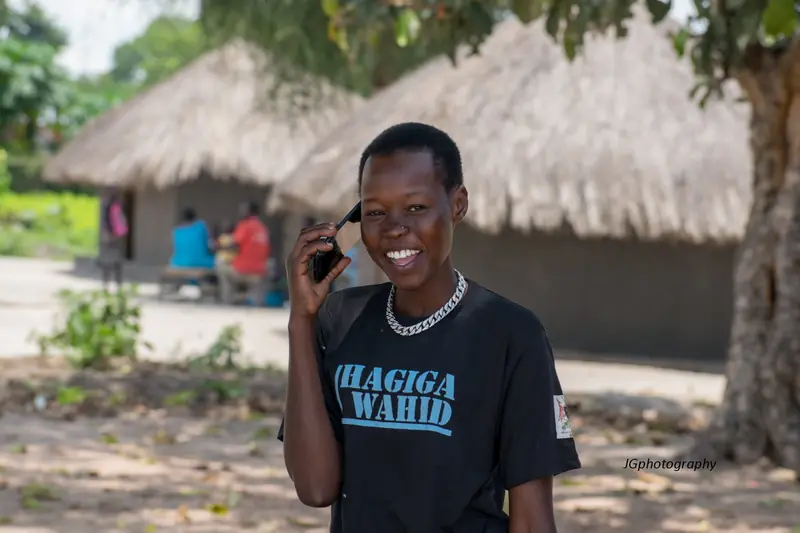
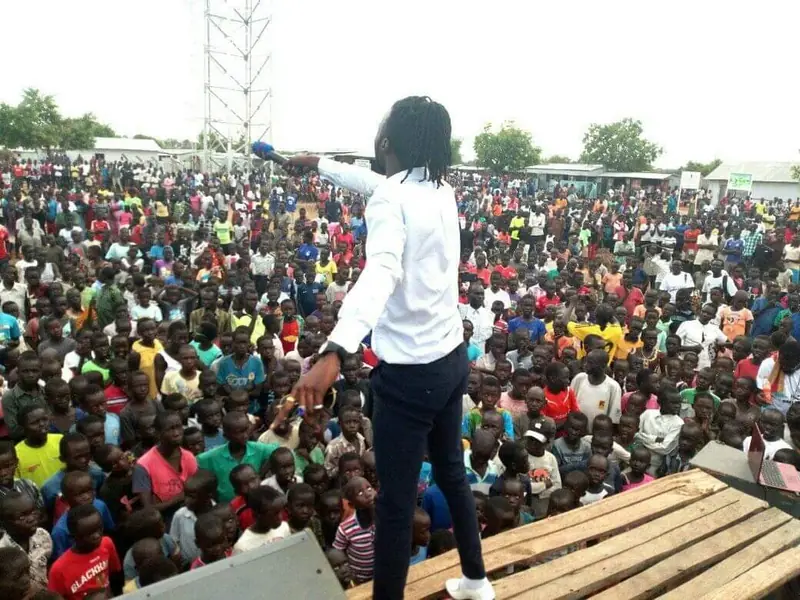
CDC works where communities need support and where we have earned their trust. Our work centres on South Sudan and Uganda, two countries linked by a long border, shared communities and the movement of people between them. We work with refugees, returnees, internally displaced people and the host communities that receive them, on both sides of that border.
Our Geographical Presence
South Sudan
CDC began in Yei, and South Sudan remains our home. We have expanded from Central Equatoria to five states, working with communities affected by conflict, displacement and poverty.
Where we work: Central Equatoria, Western Equatoria, Unity, Jonglei, Upper Nile
Our offices: Yei (headquarters) and Juba
Uganda
Uganda hosts one of the largest refugee populations in Africa, including many South Sudanese families. In the West Nile region, CDC works as a refugee-led organisation, serving refugees and the host communities beside them.
Where we work: the West Nile region, across the districts of Koboko, Yumbe, Terego, Madi-Okollo and Arua, and in Kiryandongo
Our office: Arua, with field work in refugee settlements including Rhino Camp, Omugo Extension and Ofua Zone
Democratic Republic of Congo
Since 2017, CDC has carried out programmes in the Democratic Republic of Congo through Centre de Développement Communautaire (CDC–RDC).
We have no active projects in the DRC at present.
Beyond Our Core Countries
In 2025, CDC also carried out a few support engagements in Kenya, including work with SheLeads Kakuma on cultural heritage.
Our Offices
- Yei Head Office, South SudanHai Erap, Yei–Aba Road, Opposite Former GIZ
- Juba Coordination Office, South SudanBilpam Road, CCC Compound
- Ofua Zone Head Office, Rhino Camp Refugee Settlement, UgandaOfua Zone, Rhino Camp Refugee Settlement, on the FDP Road, next to Mission Foundation 25 (also known as Project 25)
- Arua Coordination Office, UgandaMvara Sudan Zone, behind Emmanuel Cathedral
Working Across Borders
Communities do not always experience challenges within national boundaries. Displacement, family connections, trade, conflict dynamics, and shared cultural ties can link people across borders.
CDC was the first local organisation in Uganda and South Sudan to start transnational, cross-border interventions. We implemented the first HDP Triple Nexus cross-border project, strengthening livelihoods and peace in the borderlands of West Nile and Central Equatoria State.
CDC recognises the value of cross-border collaboration in addressing shared challenges, strengthening relationships, and supporting locally driven solutions. Through relevant partnerships and programmes, we seek to connect community voices, encourage cooperation, and promote approaches that contribute to peace and resilience across South Sudan and Uganda.
Community-Led Wherever We Work
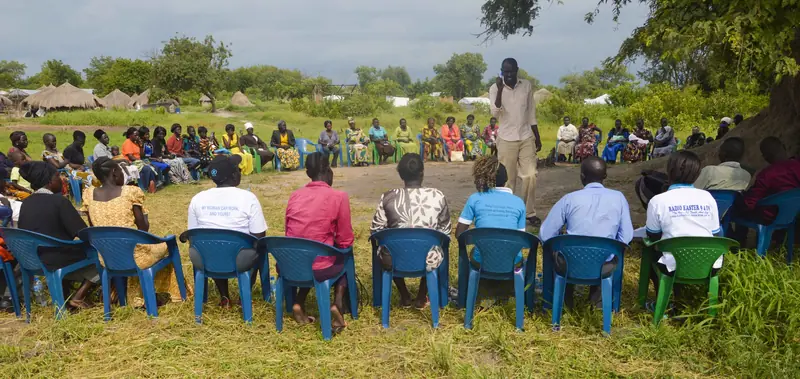
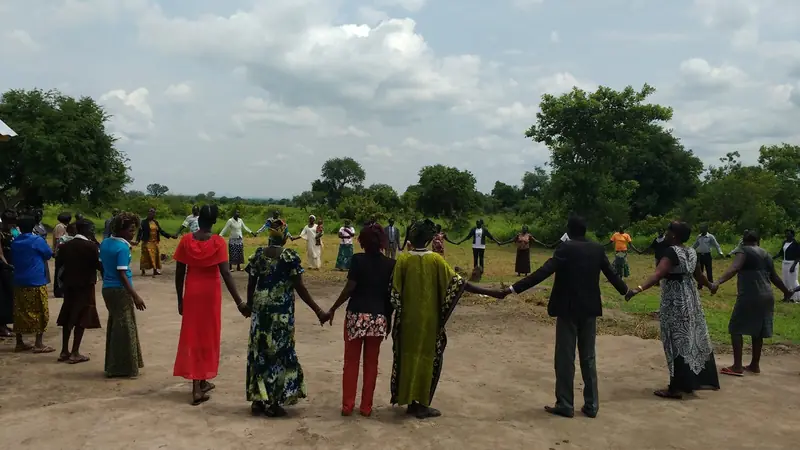
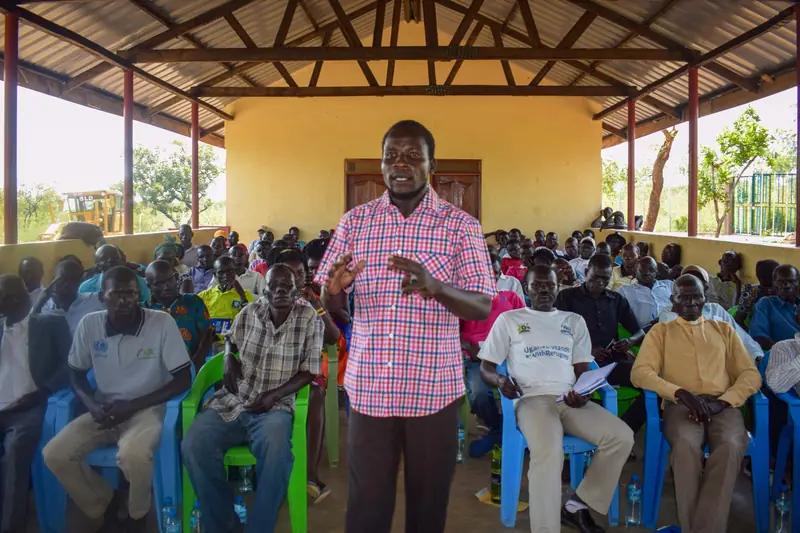
Although our operational contexts differ, our commitment remains the same: to listen to communities, recognise local knowledge, strengthen participation, and support people to shape their own development priorities.
We work to ensure that geographical presence is not simply about delivering activities, but about building relationships, strengthening local capacity, and supporting meaningful change.
Why Place Matters
We work in places that are hard to reach and often volatile. Because CDC is rooted in these communities, with local leaders, local staff and relationships built over more than a decade, we can reach people quickly and work in ways that respect local culture and context.
Working Somewhere We Aren’t Yet?
If your community or organisation would like to explore working with us, we would be glad to hear from you.