

How We Do It

CDC works as a grassroots facilitator. We help communities drive their own development, and we make a lasting difference in the lives of the most vulnerable. Our approach shifts power and agency back to local people, because they are the best agents of their own change.

Eight core approaches guide everything we do.

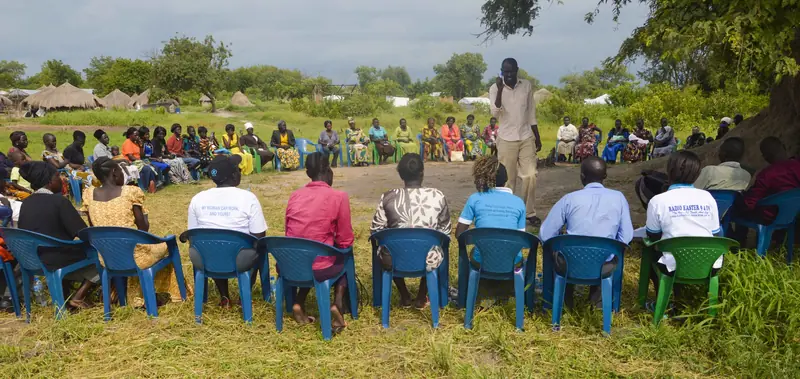
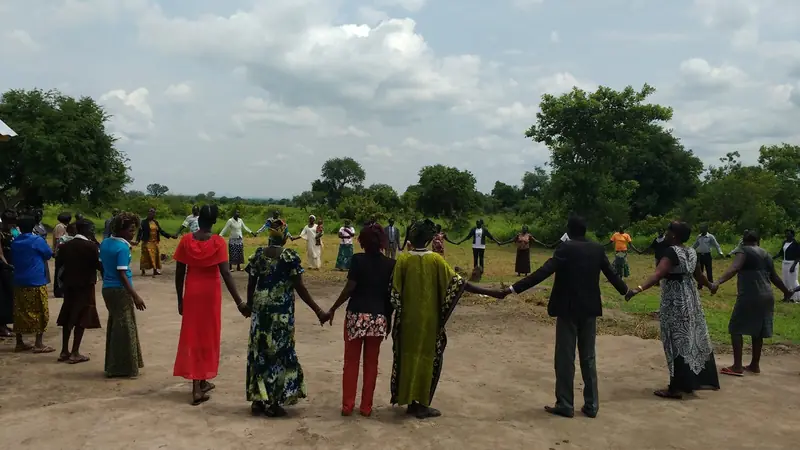
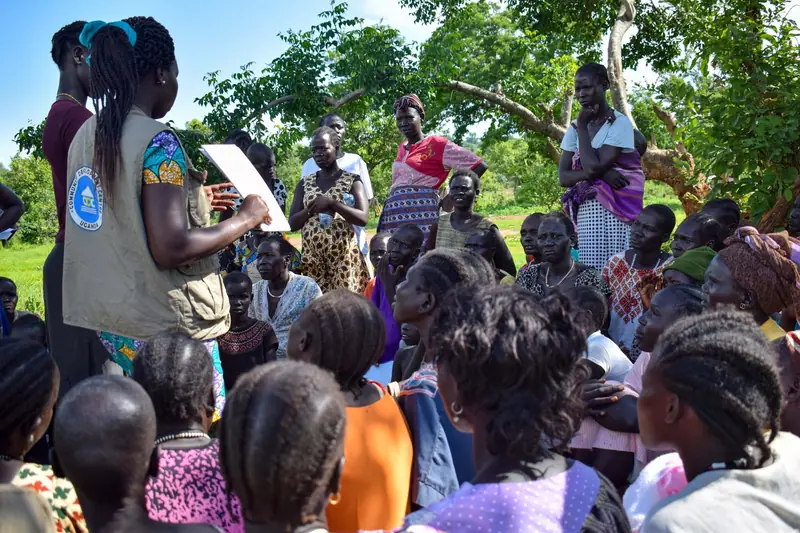
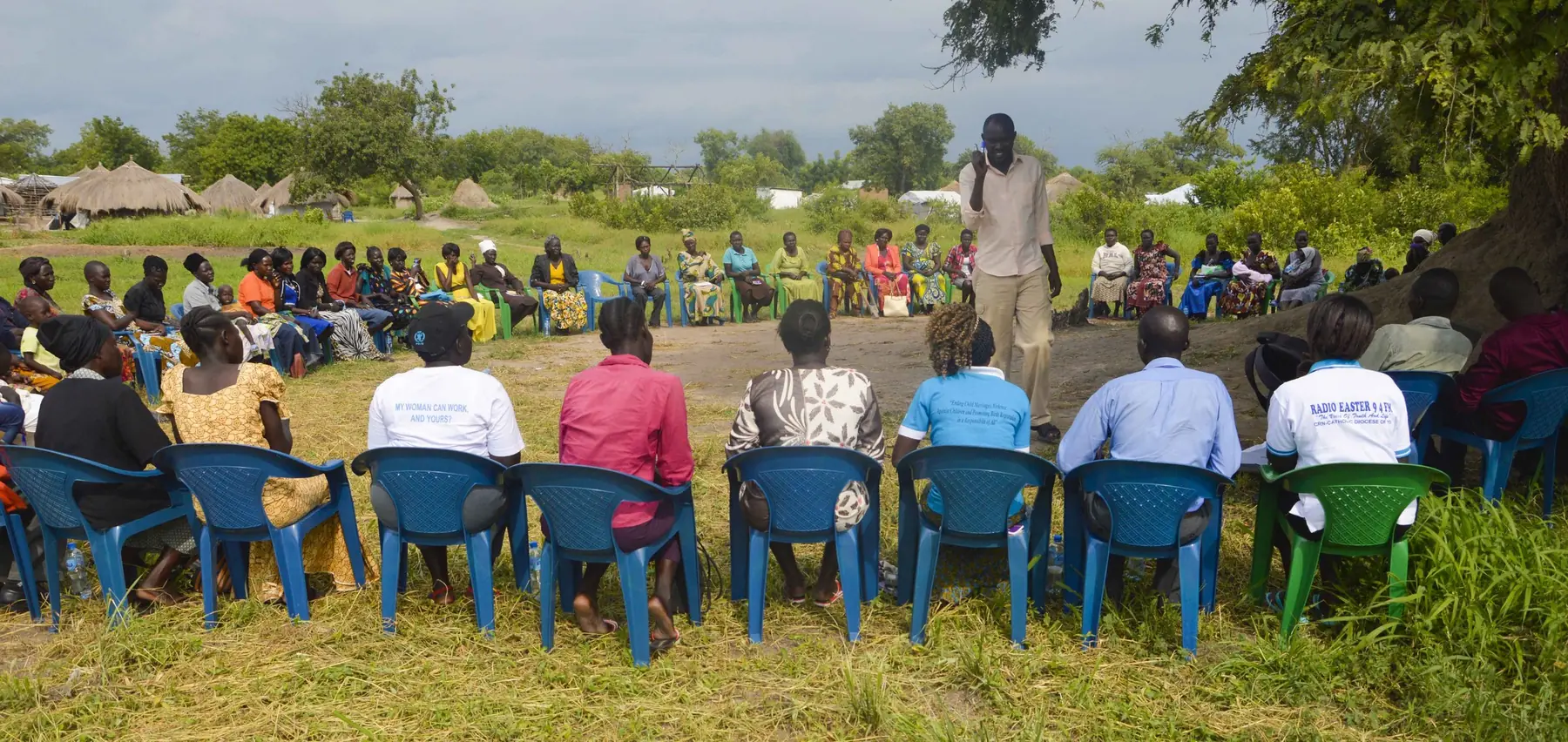
Community members sit in a wide circle of chairs under the trees for a dialogue

Our approach at a glance

  1. Listen
  2. Plan together
  3. Act together
  4. Learn and adapt
  5. Hand over

Our Eight Approaches

Community Participation and Listening

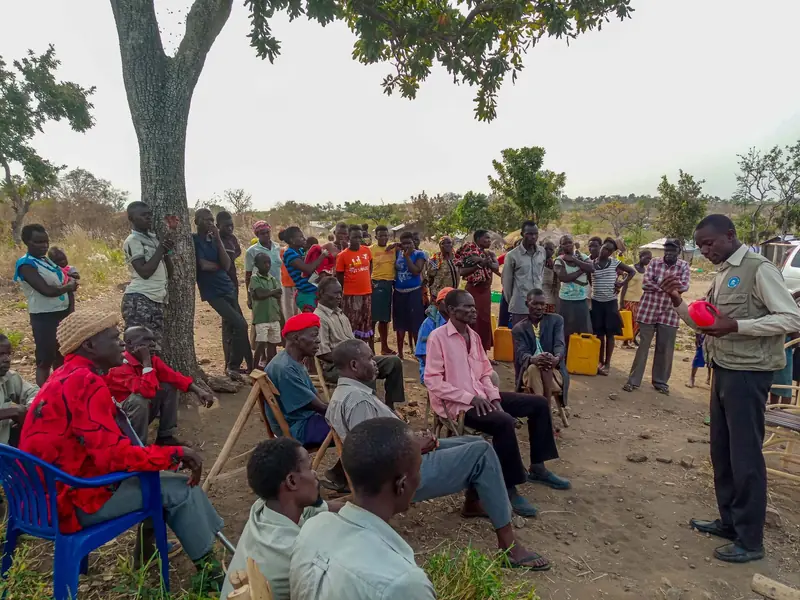
Local people are the best agents of their own change. Communities stay in the driver’s seat throughout the project cycle, from identifying priorities and shaping interventions to carrying out activities and reviewing progress.

  • Local ownership first. We build on existing community leadership and structures rather than imposing outside solutions, and we train local leaders so that progress continues after a project closes.
  • Participation and inclusion. We use participatory methods that help community members identify, design and carry out culturally appropriate solutions to their own challenges.
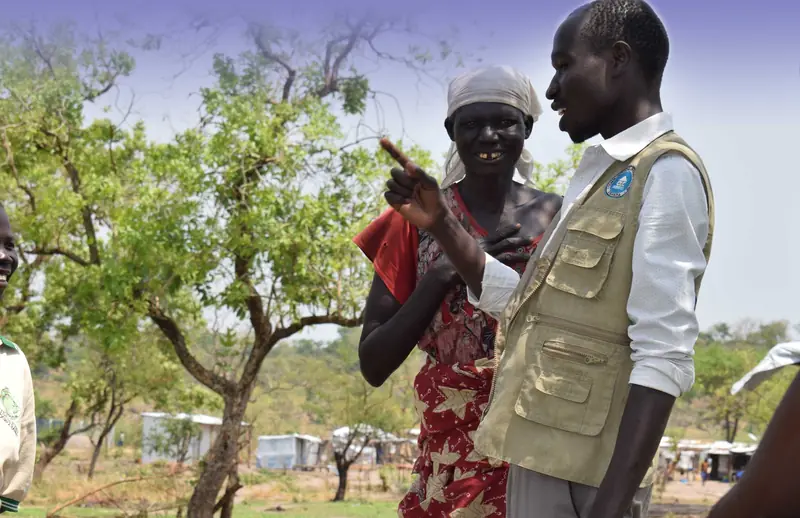
  • Deep listening. We are guided by Ting, a Chinese philosophy of listening. We listen with our ears, our eyes, our hearts, our full attention and our deep respect.

By supporting local leadership and collective decision-making, we strengthen ownership and keep programmes responsive to the people they serve.
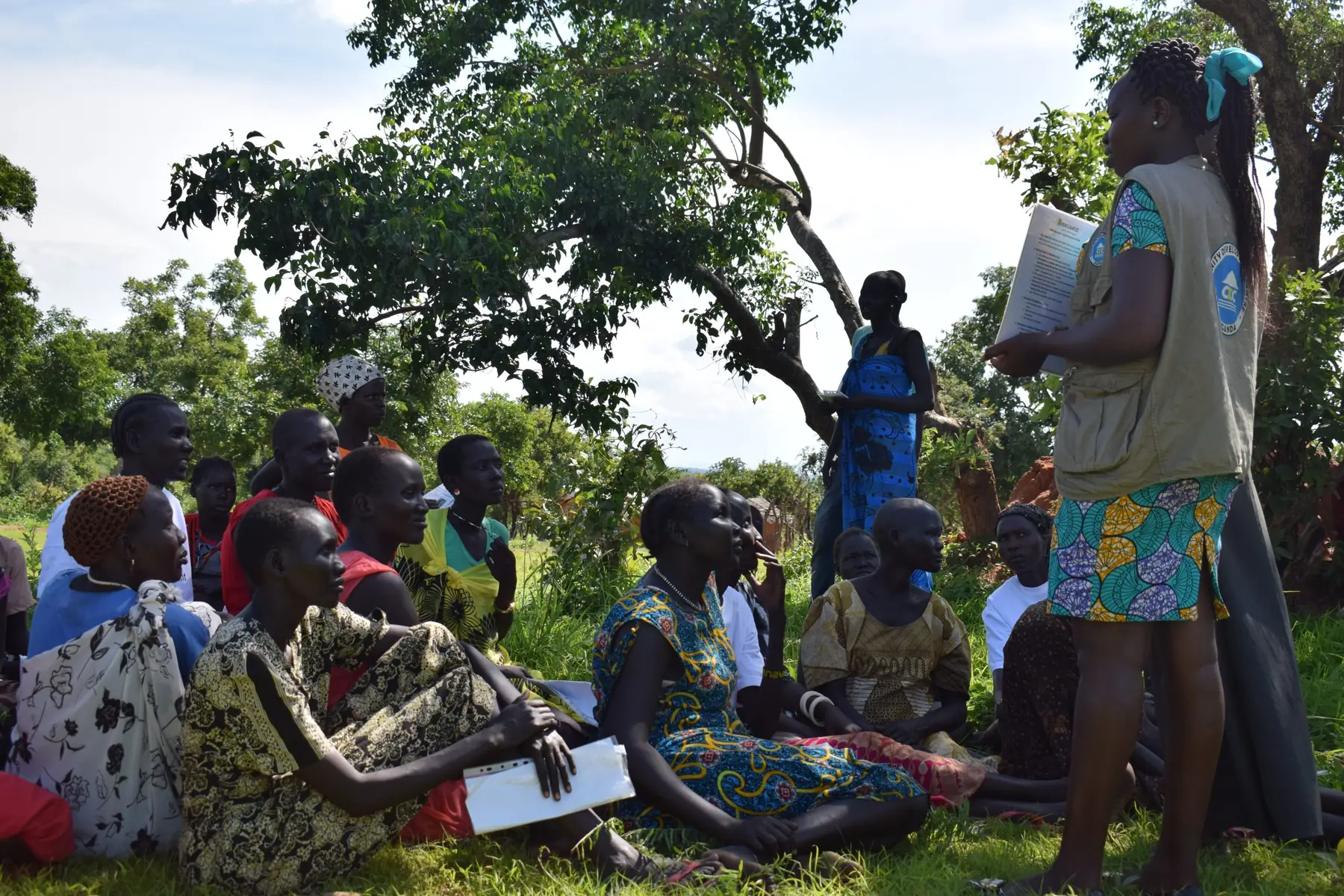
Build on Local Knowledge and Capacity

We value local skills, experience, cultural knowledge, and existing community structures. Rather than overlooking what already exists, we work to strengthen local capacity and connect community initiatives with relevant expertise, resources, and opportunities.

Our goal is to support communities to lead their own development processes with confidence.

Work Through Partnerships and Collaboration

Development challenges are interconnected, and no single organisation can address them alone. We bring together community groups, young people, women, local leaders, civil society, government institutions, technical institutions and development partners for dialogue, cooperation and shared learning, and we combine expertise and resources to support locally appropriate solutions.

We seek partnerships grounded in mutual respect, clear responsibilities, shared objectives and accountability, because collaboration builds trust, reduces divisions and creates more effective responses to shared challenges.

Inclusive and Safe Programming

Our programmes are designed to be safe, dignified, accessible and inclusive for everyone, especially the most vulnerable and marginalised groups, and sensitive to the context in which communities live.

  • Do No Harm. Every intervention is conflict-sensitive and designed to avoid creating or deepening inequalities and tensions.
  • Gender-transformative action. We challenge harmful social norms and support women and youth as leaders of change.
  • Child protection and safeguarding. We protect children from abuse, exploitation, neglect and violence, and we keep active systems for prevention, reporting and response.
  • Zero tolerance for abuse. We do not tolerate sexual exploitation, abuse, harassment or discrimination, and communities have safe, confidential ways to give feedback and report concerns.
  • Conflict sensitivity. We work in fragile and conflict-affected places, so every programme takes local conflict dynamics into account. We work to address root causes, and we strengthen dialogue, trust, reconciliation and cooperation among different groups.

We pay attention to barriers that may prevent women, young people, people with disabilities, displaced populations and other underrepresented groups from participating fully. We identify and minimise potential risks, protect dignity, respect confidentiality and uphold safeguarding standards throughout our work.

Innovation and Technology

We combine creativity, technology and local knowledge to find practical solutions that work in places with weak networks and few resources.

Learn, Adapt and Remain Accountable

We monitor activities, gather feedback, assess progress and use lessons learned to improve our work. We use continuous learning, action research, community feedback, monitoring and evaluation, and we stay flexible, adapting as community needs and contexts change.

We value transparency, responsible resource management and accountability to the people and partners with whom we work, and we aim to learn from both achievements and challenges.

Sustainability

We design for sustainability from day one. Our programmes strengthen local capacities, systems, livelihoods and community ownership, so that results last well beyond the project.

Direct Community Grants for Grassroots Solutions

We give direct, flexible grants to grassroots groups and local structures, so they can design and carry out their own solutions. We do this through a Facilitated Collective Action Process, a community-led framework that builds resilience and social cohesion in displacement-affected communities.

How it works

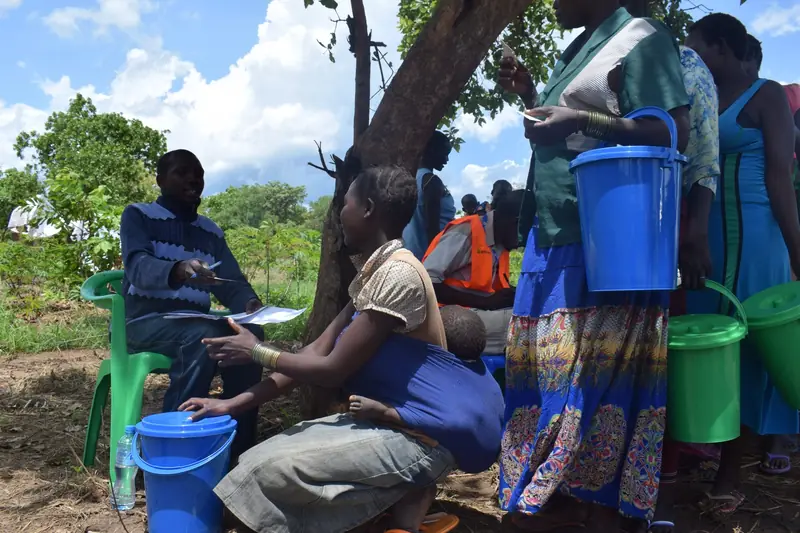
  • Direct funding. Weekly facilitation is combined with a non-competitive grant paid directly to each village.
  • Local governance. Over a six-month planning cycle, villages set up transparent local bank accounts, elect representative leaders and design sustainable projects, from farming initiatives to community infrastructure.
  • Financial self-mobilisation. Village Savings and Loan Associations give people the collaborative financial tools to organise and advocate for themselves.
  • Graduation. After two years of facilitation and support, communities graduate with mature, self-reliant, legally recognised local structures that can manage their own resources and lead their own development.

From Community Ideas to Collective Action

Our approach brings together community knowledge, local leadership, practical skills, partnerships and learning. While the activities differ from one programme to another, our commitment remains consistent: to work alongside communities and support them to shape solutions to the challenges they face.

We do not measure success only by the activities we deliver, but also by the capacity strengthened, relationships built, opportunities created, and community-led solutions supported.

CDC Website 2021 (61)

See the Approach in Action

Explore what we do, and the results these approaches have produced.