FAQs
What is Community Development Centre (CDC)?
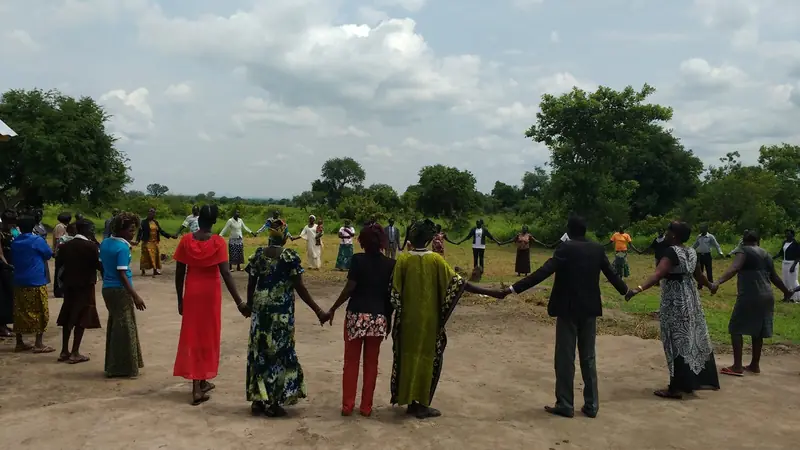
CDC is a South Sudanese grassroots non-profit organisation, founded in 2014 in Yei. We work alongside refugees, returnees, internally displaced people and host communities in South Sudan and Uganda to promote community-led development, peacebuilding, social cohesion, youth empowerment, sustainable livelihoods, food security and resilience. We believe communities should be at the centre of the decisions and solutions that affect their lives.
What is CDC’s mission?
CDC works to strengthen communities by supporting local leadership, promoting peaceful coexistence, expanding opportunities, and facilitating locally driven solutions to development challenges.
Is CDC a registered organisation?
Yes. CDC was registered with the Relief and Rehabilitation Commission of South Sudan in 2016. It is a registered NGO in South Sudan (NNGO 109) and in Uganda.
What does “refugee-led” mean?
In Uganda, CDC is a refugee-led organisation, one of the first refugee-led organisations to start serving fellow refugees, in 2016. It means that the people leading the work have lived experience of displacement.
Where does CDC work?
We work in South Sudan and Uganda, and we have had programmes in the Democratic Republic of Congo since 2017. Our offices are in Yei, Juba and Arua, and we work directly in communities, including Rhino Camp Refugee Settlement in Uganda. Our specific locations vary with programmes and available resources.
Who does CDC work with?
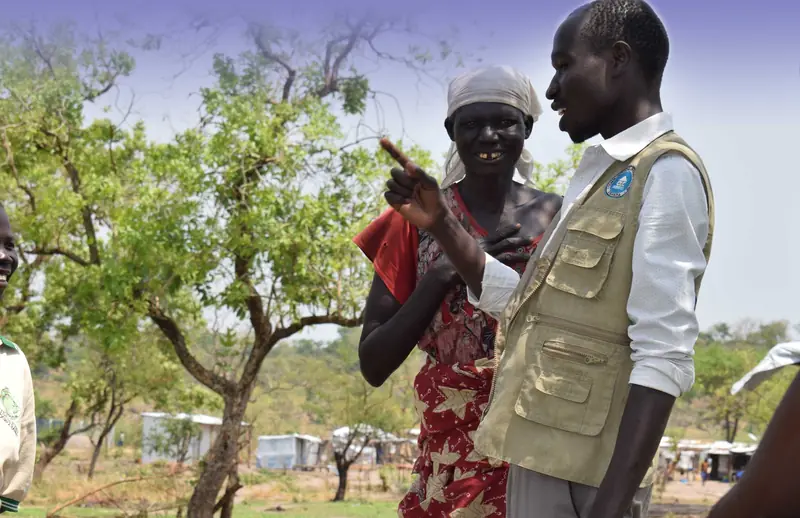
We work with refugees, returnees, internally displaced people and host communities, alongside young people, women, community leaders, civil society organisations, government institutions and development partners. We focus on women, youth and children, and we make sure persons with disabilities and older people are included.
What does CDC do?
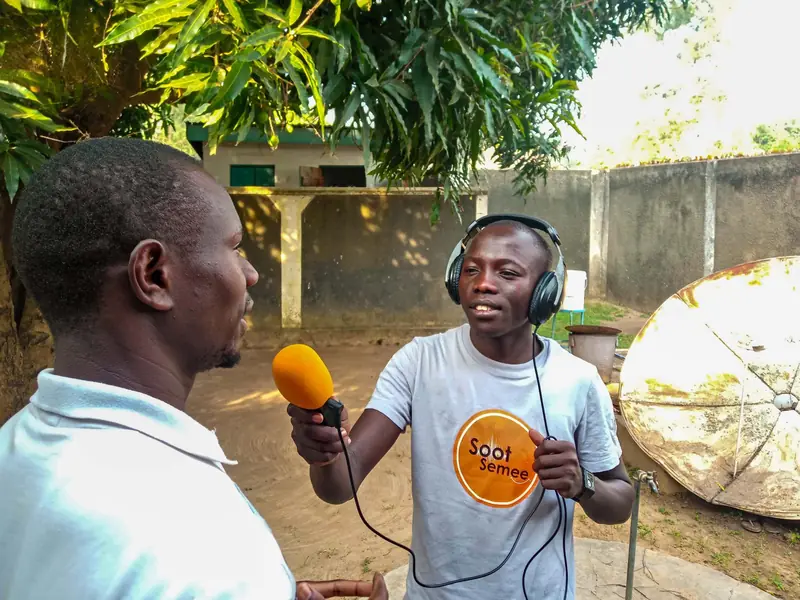
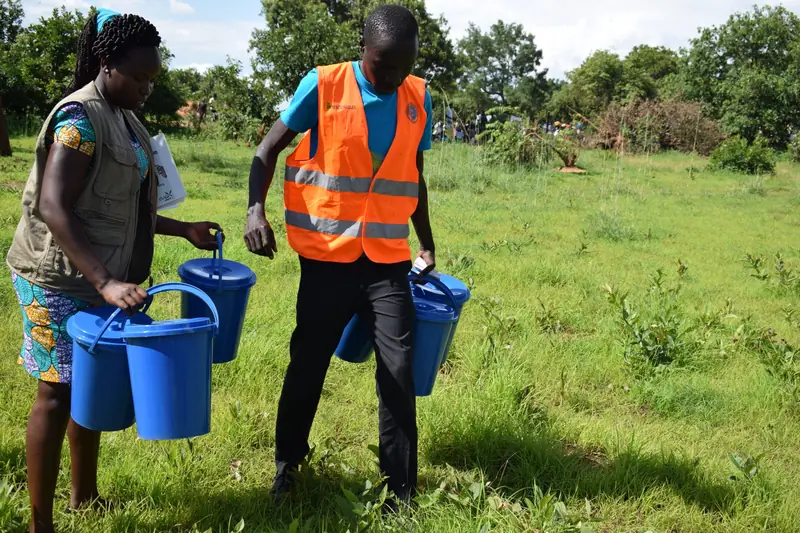
Our work covers six connected areas: peacebuilding and social cohesion, food security and livelihoods, culture and heritage, education and human development, empowerment and economic opportunity, and health and well-being. We also work on gender equality and social inclusion, protection, community media and resilience-building. Which programmes are available depends on current projects and funding.
How does CDC decide what projects to run?
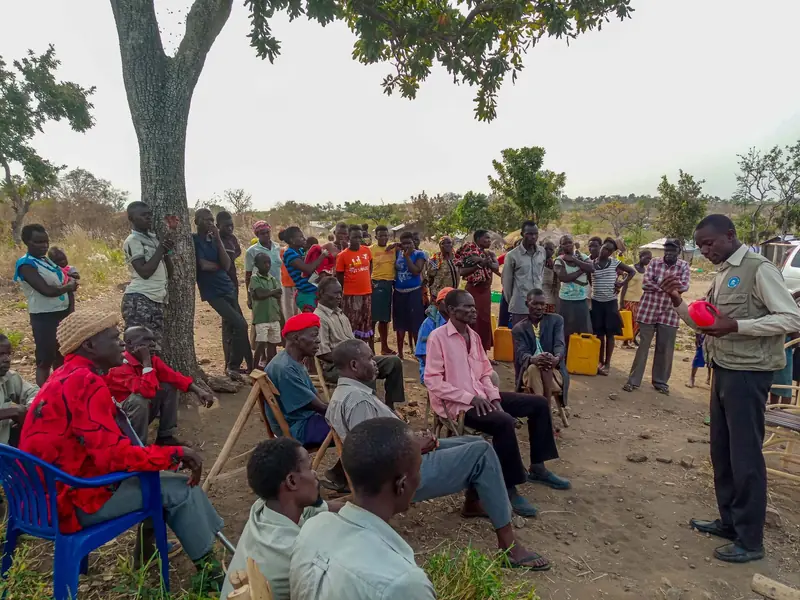
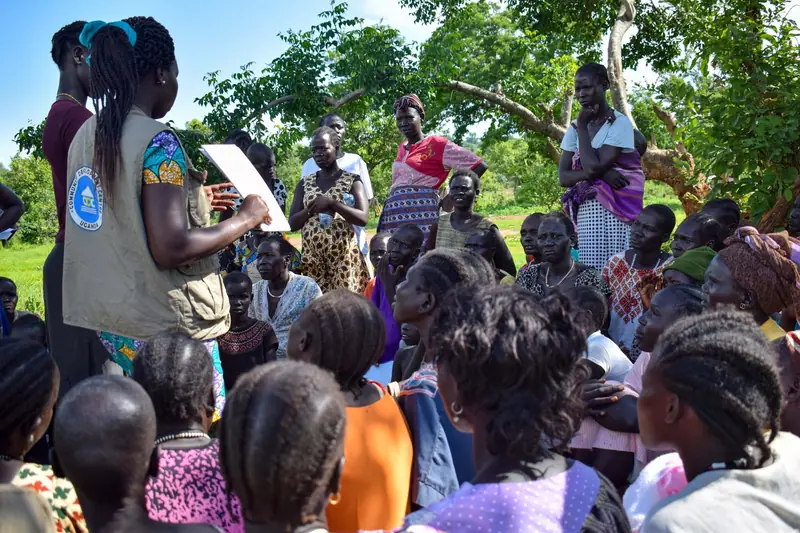
We start by listening. Communities set their own priorities, and we help design, fund and carry out solutions with them. We do not arrive with ready-made projects.
What are community grants?
We give direct, flexible funding to grassroots groups and villages, so they can design and run their own solutions. Our pilot, the Facilitated Collective Action Process, ran in Omugo Extension in Uganda with Spark Microgrants from 2022 to 2023.
What is Hagiga Wahid?
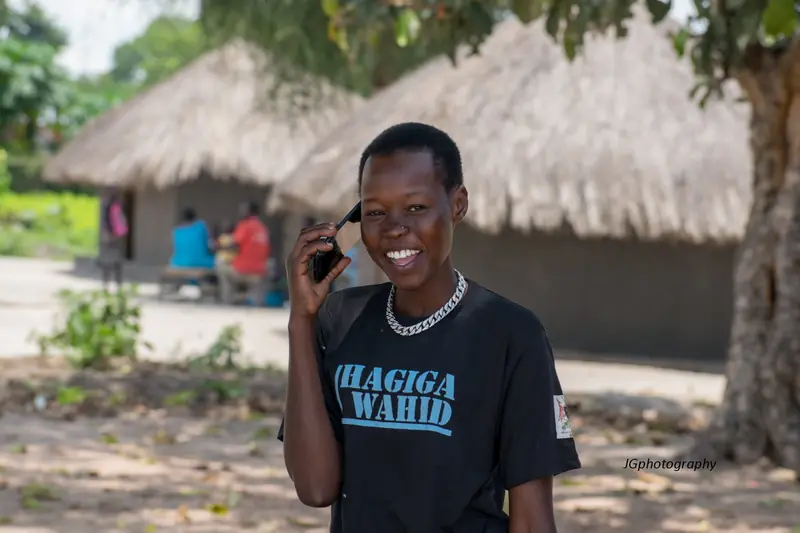
Hagiga Wahid (“One Truth”) is our two-way SMS platform that lets people report, verify and counter harmful rumours before they spark conflict. We run it with The Sentinel Project, and it has 8,782+ subscribers.
Where can I find information about your projects, publications and resources?
Visit the Project Portfolio for every project we have run, with results and partners. The Resource Library holds our publications and resources, and the News, Community Stories and Events pages carry updates and announcements.
How can my community benefit from CDC programmes?
CDC works with communities according to identified needs, programme objectives, geographical coverage, eligibility criteria and available resources. Contact us to ask about activities in your area. Submitting an enquiry does not guarantee participation in a programme.
Does CDC provide direct financial assistance to individuals?
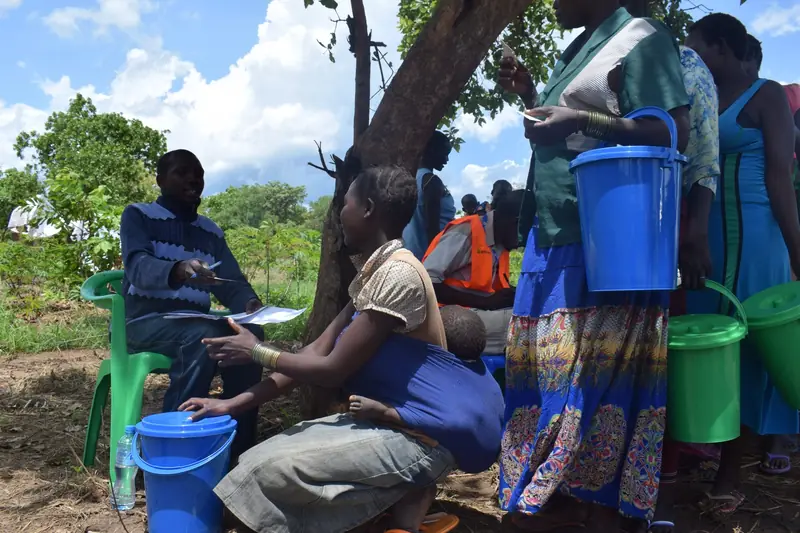
It depends on the design and funding of each programme. Some projects support livelihoods, skills development, savings groups or community-led initiatives, while others focus on peacebuilding, awareness or capacity building. Please refer to each programme announcement for eligibility and the support offered.
How can I share a community story with CDC?
Contact us to share a community achievement, local innovation, personal experience, photograph or story. Publication depends on editorial review, accuracy, informed consent and safeguarding requirements.
How is CDC funded?
Our work is supported by institutional donors, grants, partnerships and fundraising initiatives. We report regularly to donors and partners, and we follow financial policies and internal controls.
How can I partner with or support CDC?
Organisations, institutions, networks and individuals can contact us to discuss shared priorities, programme implementation, technical assistance, research, funding or other areas of cooperation. You can also support our work by contributing relevant expertise, collaborating on community initiatives, or sharing our verified stories. Visit the Partner With Us page or write to info@cdc.ngo.
How can my organisation become a funding partner?
Potential funding partners can contact CDC to discuss programme priorities, geographical coverage, organisational capacity and areas of alignment. Any funding arrangement is subject to due diligence, a formal agreement and organisational procedures.
How can I donate?
Select the Donate button at the top of any page.
Are there any vacancies, and how do I apply?
Current openings are on the Careers page. Follow the instructions in each announcement and submit the required documents before the deadline. Only shortlisted candidates will be contacted, unless the announcement says otherwise.
Does CDC offer internships or volunteering?
Opportunities depend on programme needs, supervision capacity and available resources. When available, they are announced on the Internships tab of the Careers page, with eligibility requirements, application documents and deadlines. You can also write to careers@cdc.ngo to express your interest and describe the skills or experience you could contribute.
Does CDC recruit consultants?
Yes. We engage consultants and specialist providers for assignments such as research, assessments, evaluations, training and technical assistance. Open calls are published on the Consultancies tab with requirements and deadlines, and you can send your profile for future opportunities.
How does CDC protect the people it works with?
We follow a Do No Harm approach, protect children and vulnerable adults, and have a zero-tolerance policy on sexual exploitation, abuse and harassment. Safeguarding and protection are part of every project.
How can I give feedback or raise a concern?
Community members, partners and staff can share feedback or concerns confidentially. Please use the feedback or complaints channel for the relevant programme, or contact CDC directly. Concerns are handled confidentially and in line with our safeguarding procedures.
How can I contact CDC?
Email info@cdc.ngo or call +211 928 302 000 (South Sudan) or +256 776 030 090 (Uganda). You can also use the contact form on the Contact page. Our offices are:
- Yei (headquarters): Hai Erap, Yei–Aba Road, Opposite Former GIZ
- Juba: Bilpam Road, CCC Compound
- Arua: Mvara Sudan Zone, behind Emmanuel Cathedral